

Transcranial Magnetic Stimulation for Neurological and Psychiatric Recovery
Rebuilding Brain Health Through Evidence-Based Neuromodulation
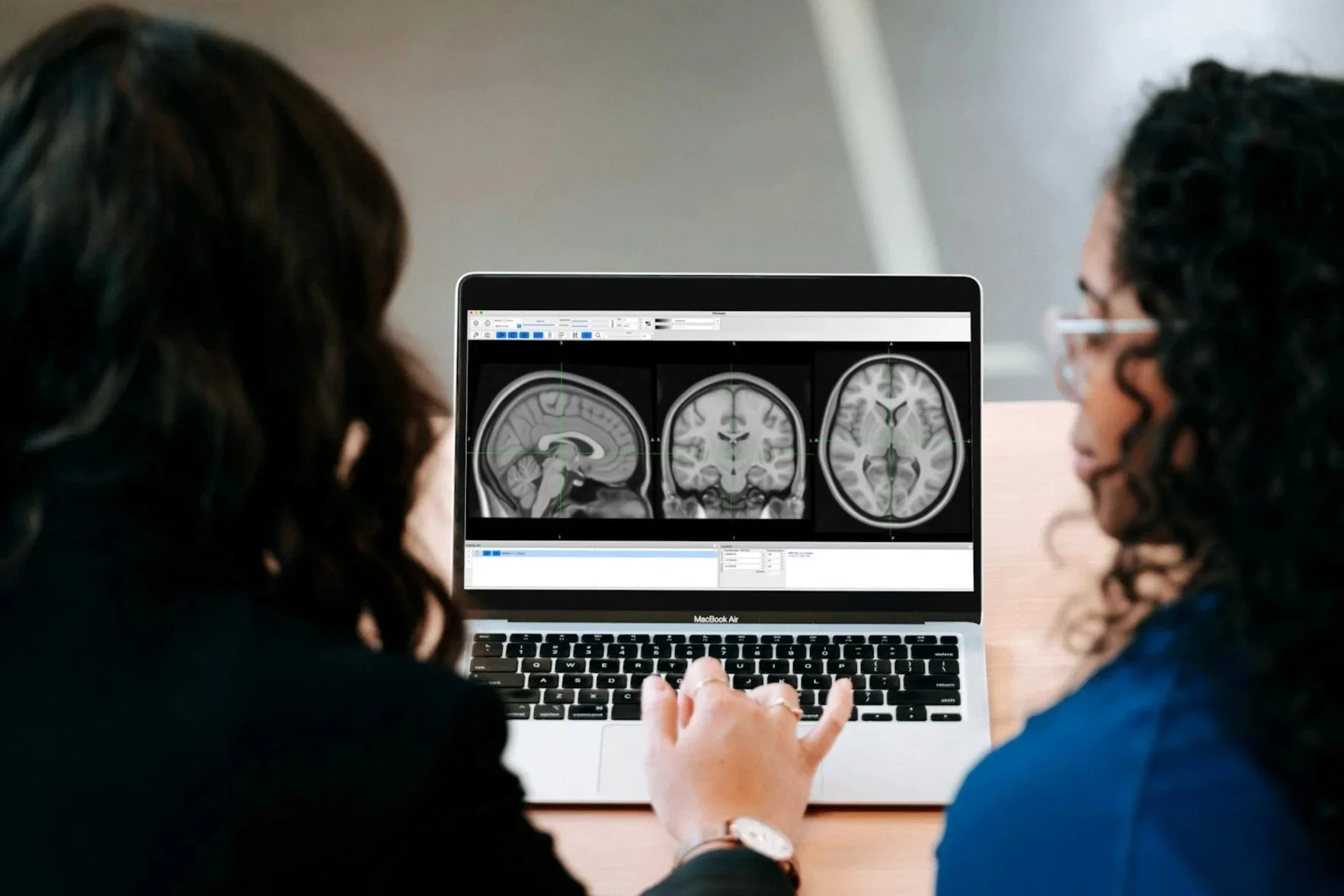
Advanced Brain Recovery
Our clinic treats a variety of neurological and psychiatric conditions by using targeted neuromodulation to restore brain function.
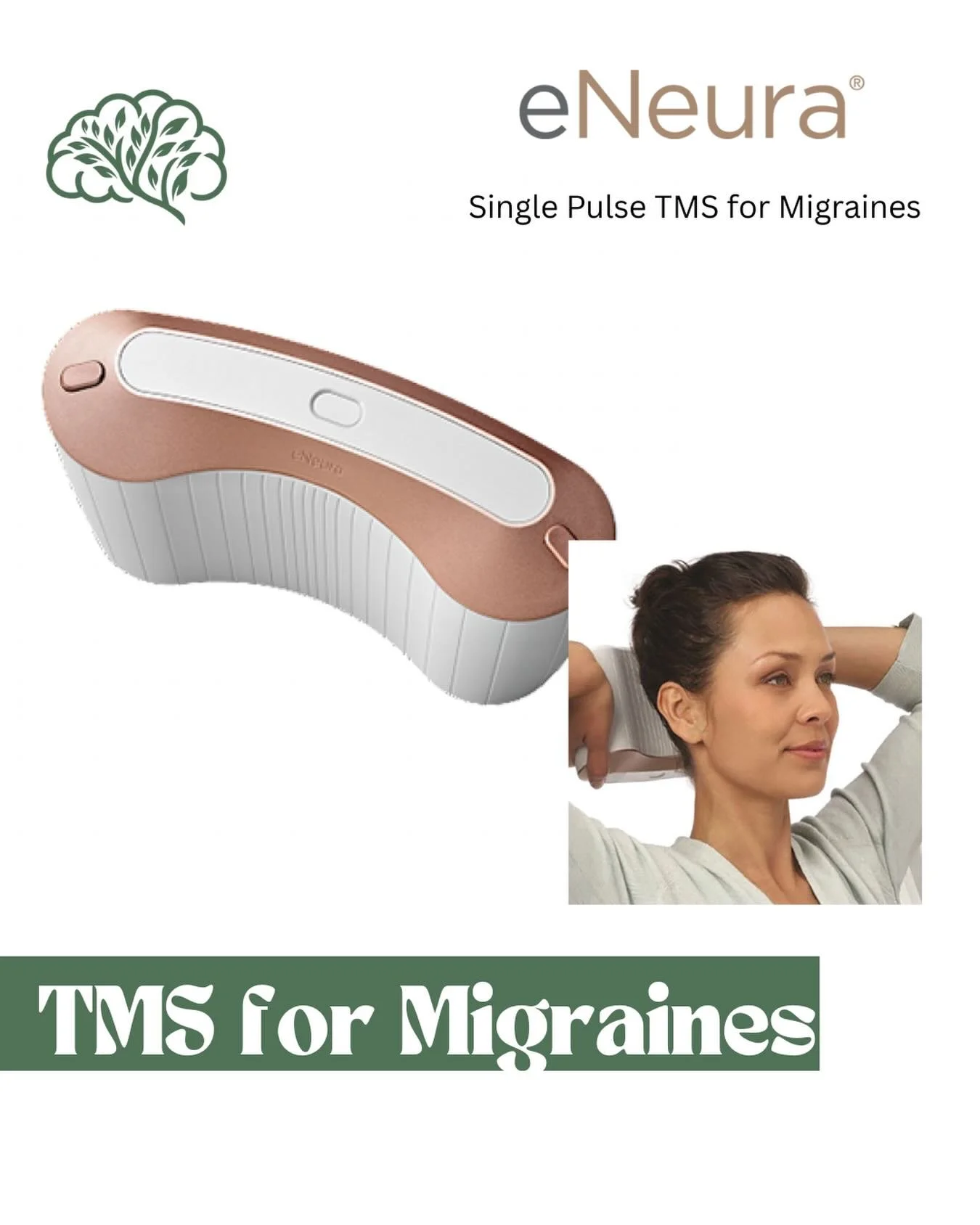
We use Transcranial Magnetic Stimulation (TMS), a form of FDA-approved, non-invasive brain stimulation as an innovative and effective treatment option.
Our treatment plans are built on scientific research and tailored to each patient’s symptoms and needs.
Conditions We Treat
We are committed to providing evidence-based and personalized neuromodulation to treat neurological and psychiatric disorders and improve the quality of life for our patients.
Depression
Obsessive Compulsive Disorder (OCD)
Traumatic Brain Injury (TBI)
Anxiety
Post-Traumatic Stress Disorder (PTSD)
Chronic Pain
Migraine
Insomnia
Brain Fog, Memory Loss, and Cognition
Long COVID
Our Mission
We are committed to providing evidence-based and personalized neuromodulation to treat neurological and psychiatric disorders and improve the quality of life for our patients.
Our philosophy centers on combining scientific research, high-level technology, and thoughtful clinical expertise to deliver the most effective care and advanced neurorehabilitation.
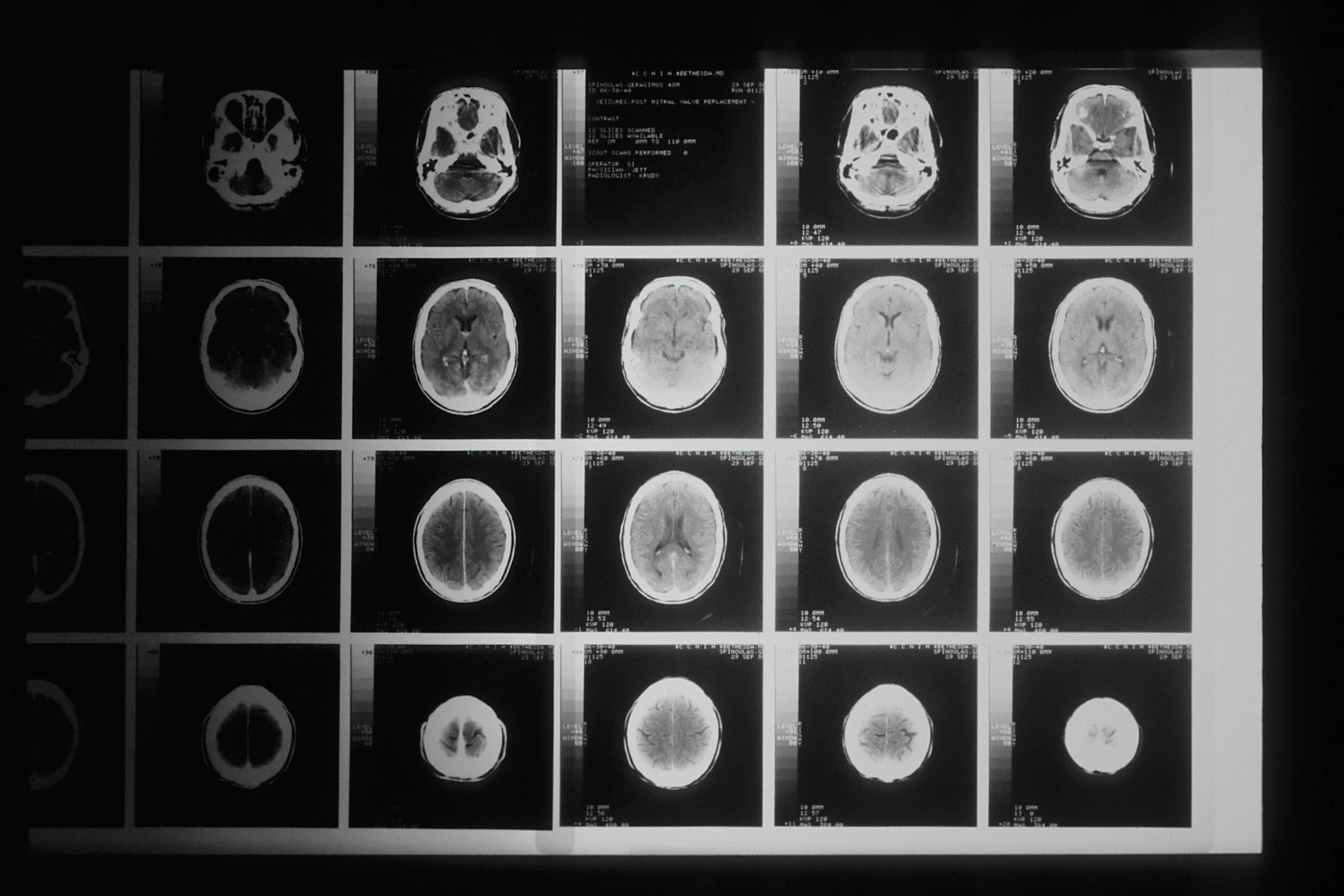
TMS promotes neuroplasticity, the brain’s ability to form new neural connections.
Different neurological and psychiatric conditions involve dysfunctions in specific brain networks, so stimulating these regions repeatedly with TMS allows the brain to form new neural pathways ¹,².
TMS does not require anesthesia, surgery, or medication. Patients who receive TMS remain awake and can resume normal activities (i.e. return to work, drive a motor vehicle) immediately after each session.
1. Fitzsimmons, S. M. D. D., Oostra, E., Postma, T. S., van der Werf, Y. D., & van den Heuvel, O. A. (2024). Repetitive transcranial magnetic stimulation–induced neuroplasticity and the treatment of psychiatric disorders: State of the evidence and future opportunities. Biological Psychiatry, 95(6), 592–600. https://doi.org/10.1016/j.biopsych.2023.11.016
2. Jannati, A., Oberman, L.M., Rotenberg, A. et al. Assessing the mechanisms of brain plasticity by transcranial magnetic stimulation. Neuropsychopharmacol. 48, 191–208 (2023). https://doi.org/10.1038/s41386-022-01453-8
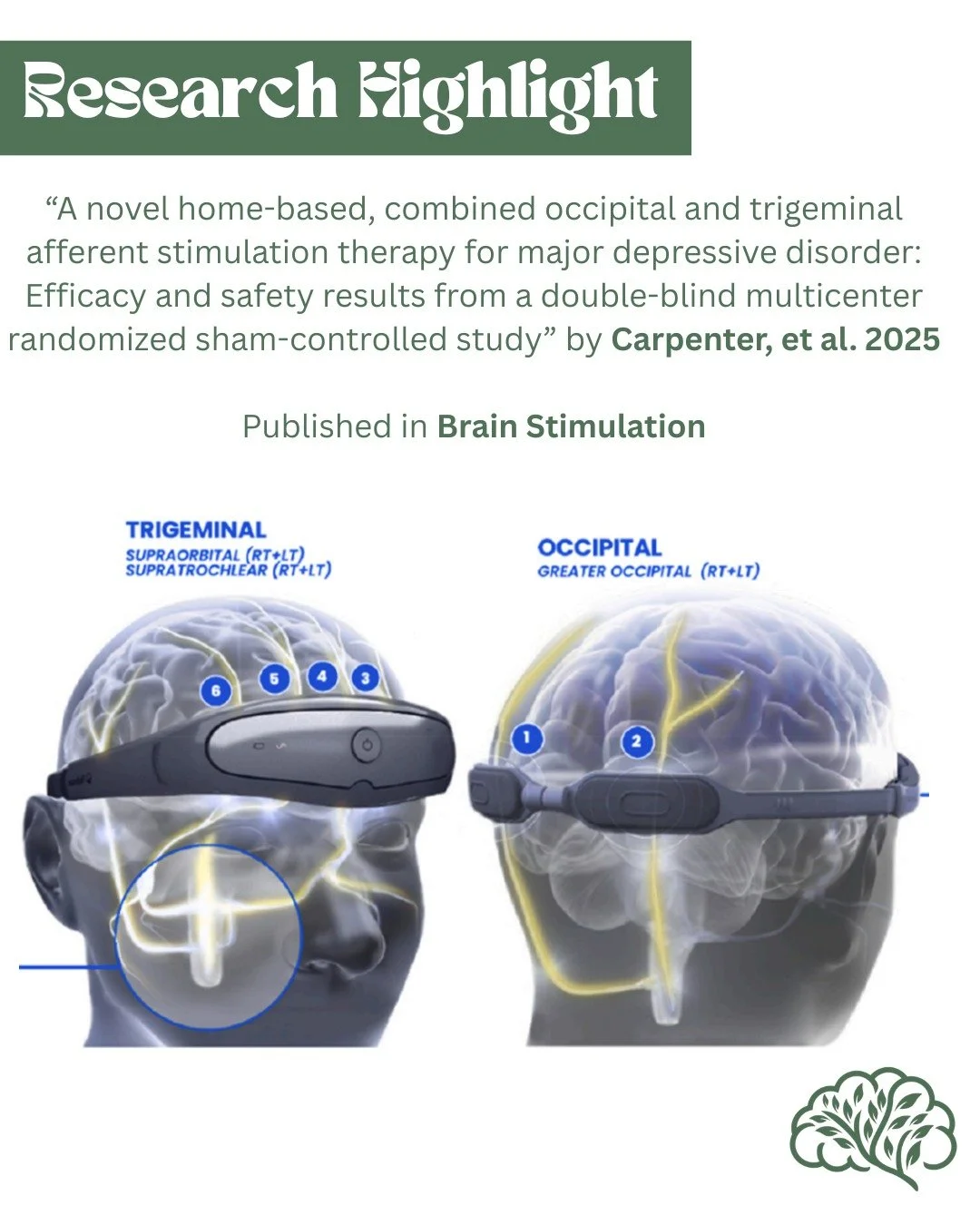
TMS applies specific stimulation patterns to certain areas of the brain to address the psychiatric or neurological condition being treated.
For example, excitatory/high-frequency stimulation can increase activity in areas that are underactive (such as the left dorsolateral prefrontal cortex in depression), while inhibitory/low-frequency stimulation can reduce activity in regions that are overactive (such as the right dorsolateral prefrontal cortex in conditions like insomnia or PTSD).
The timeline for TMS treatment varies depending on which protocol a patient receives. Typically, patients can expect to come into the clinic every day for treatment ranging from anywhere from 1, 2, or 7 weeks. Some protocols, such as our accelerated TMS protocol, have a more condensed timeline consisting of 10 sessions per day for a series of 5 days.
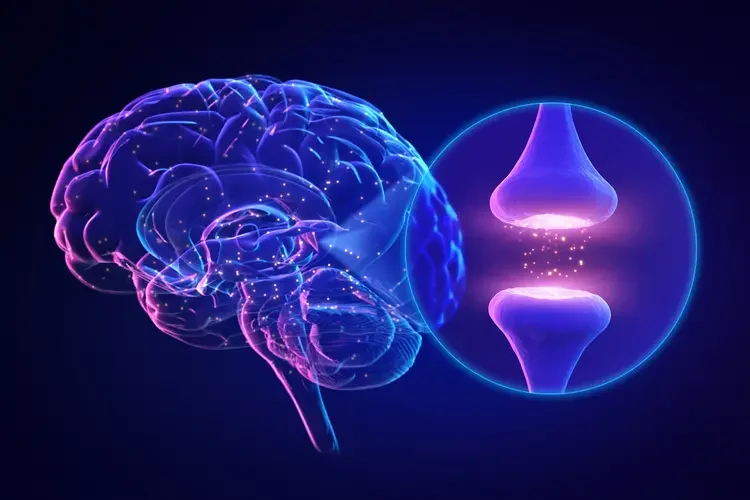
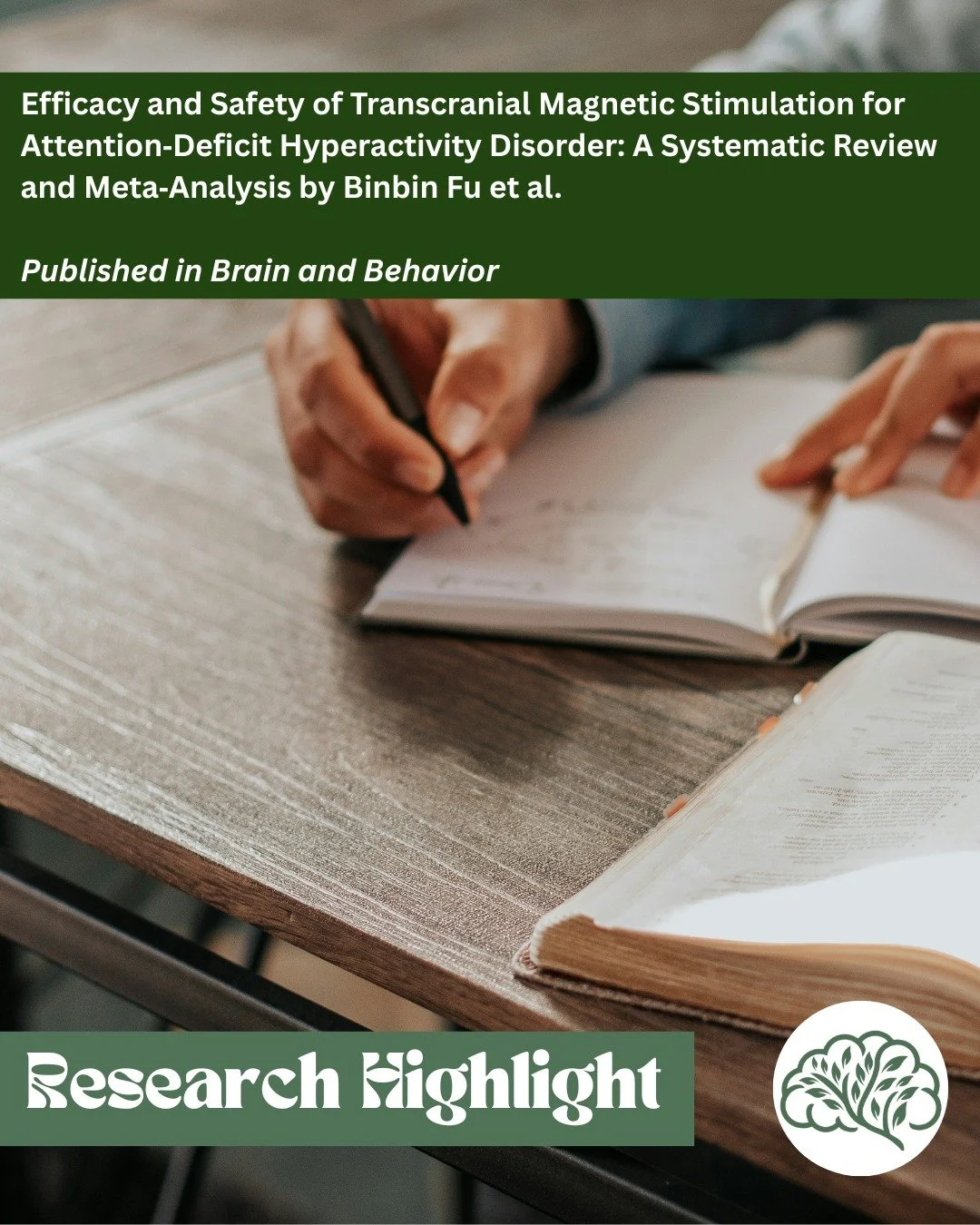
@tmsevolve
Research and Education
We stay actively engaged with the latest scientific and clinical research in neuromodulation. We not only apply this knowledge in our practice, but we also take pride in our educational content and posts. We want patients to feel empowered in understanding their treatment.