About TMS
Transcranial Magnetic Stimulation, or TMS, is a form of non-invasive neuromodulation that uses magnetic pulses to stimulate specific regions of the brain involved in mood, cognition, and pain regulation.
It is an FDA-approved treatment for depression, OCD, smoking cessation and migraine, and can also be used to treat a variety of other psychiatric and neurological disorders.
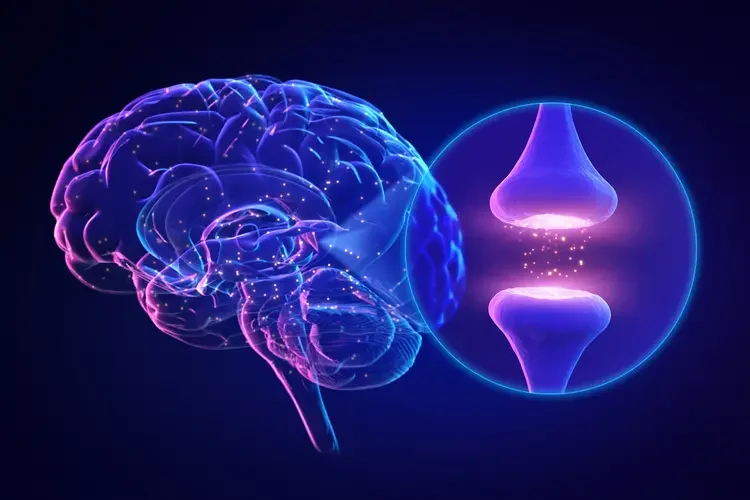
TMS promotes neuroplasticity, the brain’s ability to form new neural connections.
Different neurological and psychiatric conditions involve dysfunctions in specific brain networks, so stimulating these regions repeatedly with TMS allows the brain to form new neural pathways¹,².
TMS does not require anesthesia, surgery, or medication. Patients who receive TMS remain awake and can resume normal activities (i.e. return to work, drive a motor vehicle) immediately after each session.
1. Fitzsimmons, S. M. D. D., Oostra, E., Postma, T. S., van der Werf, Y. D., & van den Heuvel, O. A. (2024). Repetitive transcranial magnetic stimulation–induced neuroplasticity and the treatment of psychiatric disorders: State of the evidence and future opportunities. Biological Psychiatry, 95(6), 592–600. https://doi.org/10.1016/j.biopsych.2023.11.016
2. Jannati, A., Oberman, L.M., Rotenberg, A. et al. Assessing the mechanisms of brain plasticity by transcranial magnetic stimulation. Neuropsychopharmacol. 48, 191–208 (2023). https://doi.org/10.1038/s41386-022-01453-8
TMS applies specific stimulation patterns to certain areas of the brain to address the psychiatric or neurological condition being treated.
For example, excitatory/high-frequency stimulation can increase activity in areas that are underactive (such as the left dorsolateral prefrontal cortex in depression), while inhibitory/low-frequency stimulation can reduce activity in regions that are overactive (such as the right dorsolateral prefrontal cortex in conditions like insomnia or PTSD).
The timeline for TMS treatment varies depending on which protocol a patient receives. Typically, patients can expect to come into the clinic every day for treatment ranging from anywhere from 1, 2, or 7 weeks. Some protocols, such as our accelerated TMS protocol, have a more condensed timeline consisting of 10 sessions per day for a series of 5 days.