
Depression
Depression is a mood disorder that is characterized by a persistent feeling of sadness, low energy, and a loss of interest. According to the World Health Organization, about 332 million people in the world have depression, and it is a leading cause of disability¹.
The following are symptoms of depression:
Persistent sadness, emptiness, or hopelessness
Loss of interest in activities once enjoyed
Sleep disturbances (insomnia or oversleeping)
Lack of energy or tiredness
Anxiety, agitation, or restlessness
Slowed thinking, speaking, or body movements

Current treatments for depression include antidepressants, counseling, therapy, or changes in lifestyle (such as exercise and/or diet). However, it is estimated that about 30% of patients with depression have Treatment-Resistant Depression (TRD), meaning that they have taken multiple antidepressants but have not responded.
1. World Health Organization. (n.d.). Depressive disorder (depression). World Health Organization. https://www.who.int/news-room/fact-sheets/detail/depression
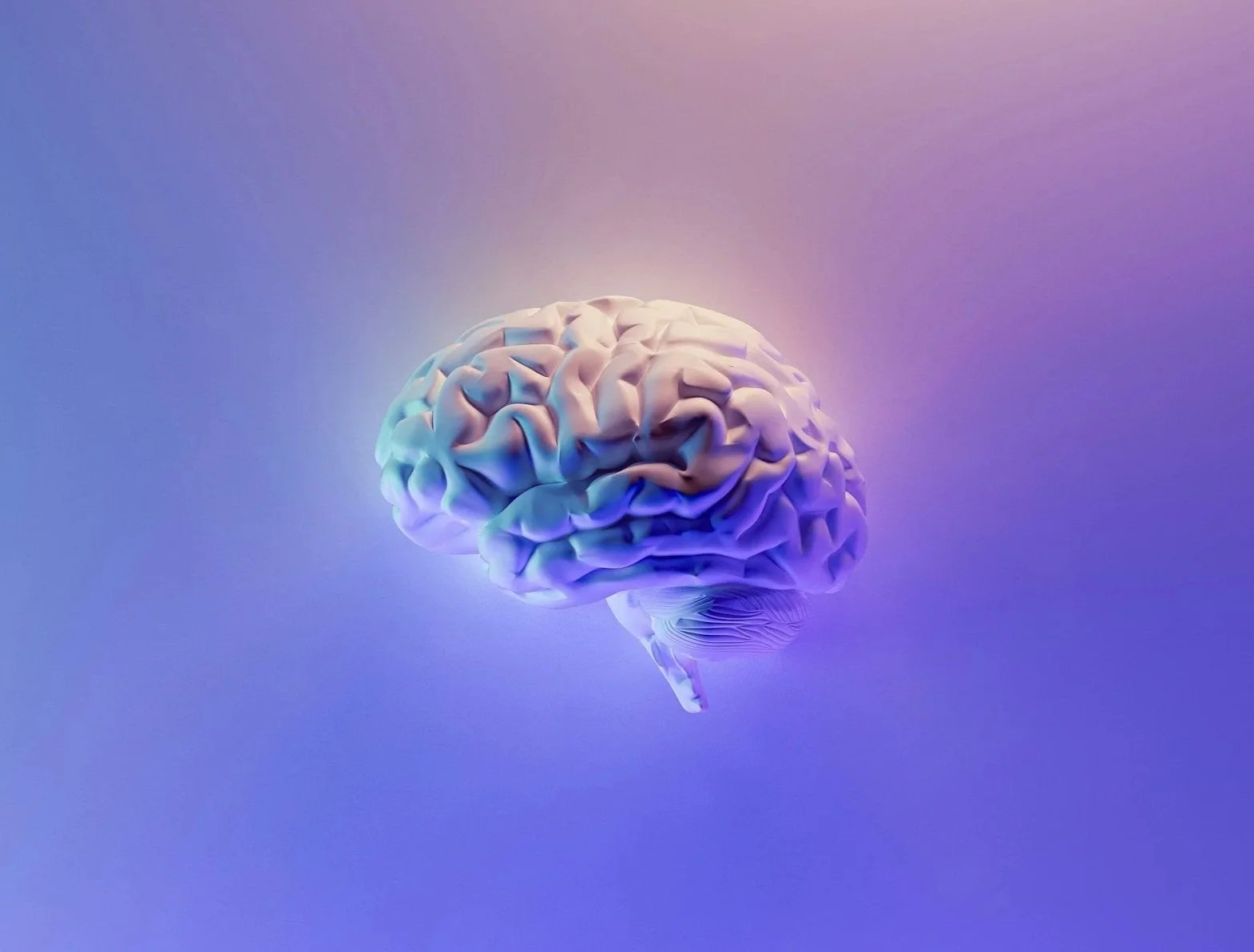
Transcranial Magnetic Stimulation (TMS) has been shown to be a highly effective treatment modality for patients with TRD. It is non-invasive, and studies have shown that 86.4% of patients reach remission criteria².
TMS targets the dorsolateral prefrontal cortex (LDLPFC), the specific region that is implicated in depression and linked to mood regulation and cognition. By using a high-frequency stimulation pattern, TMS promotes neuroplasticity and allows the brain to strengthen the neural pathways associated with improved mood, energy, and cognitive function.
2. Cole, E. J., Stimpson, K. H., Bentzley, B. S., Gulser, M., Cherian, K., Tischler, C., Nejad, R., Pankow, H., Choi, E., Aaron, H., Espil, F. M., Pannu, J., Xiao, X., Duvio, D., Solvason, H. B., Hawkins, J., Guerra, A., Jo, B., Raj, K. S., … Williams, N. R. (2020). Stanford accelerated intelligent neuromodulation therapy for treatment-resistant depression. American Journal of Psychiatry, 177(8), 716–726. https://doi.org/10.1176/appi.ajp.2019.19070720