
Neurorehabilitation
Neurorehabilitation with TMS focuses on restoring the brain’s ability to function and think efficiently, regulate mood, and improve energy after injury or neurological disruption. Evidence has shown that excitatory stimulation to the left dorsolateral prefrontal cortex (LDLPFC) has a multitude of benefits, such as:
Improving depression symptoms ¹,²,³
Improvements in cognition and decision making ⁴,⁵
Preventing Migraine symptoms ⁶,⁷,⁸
Alleviating fatigue⁹
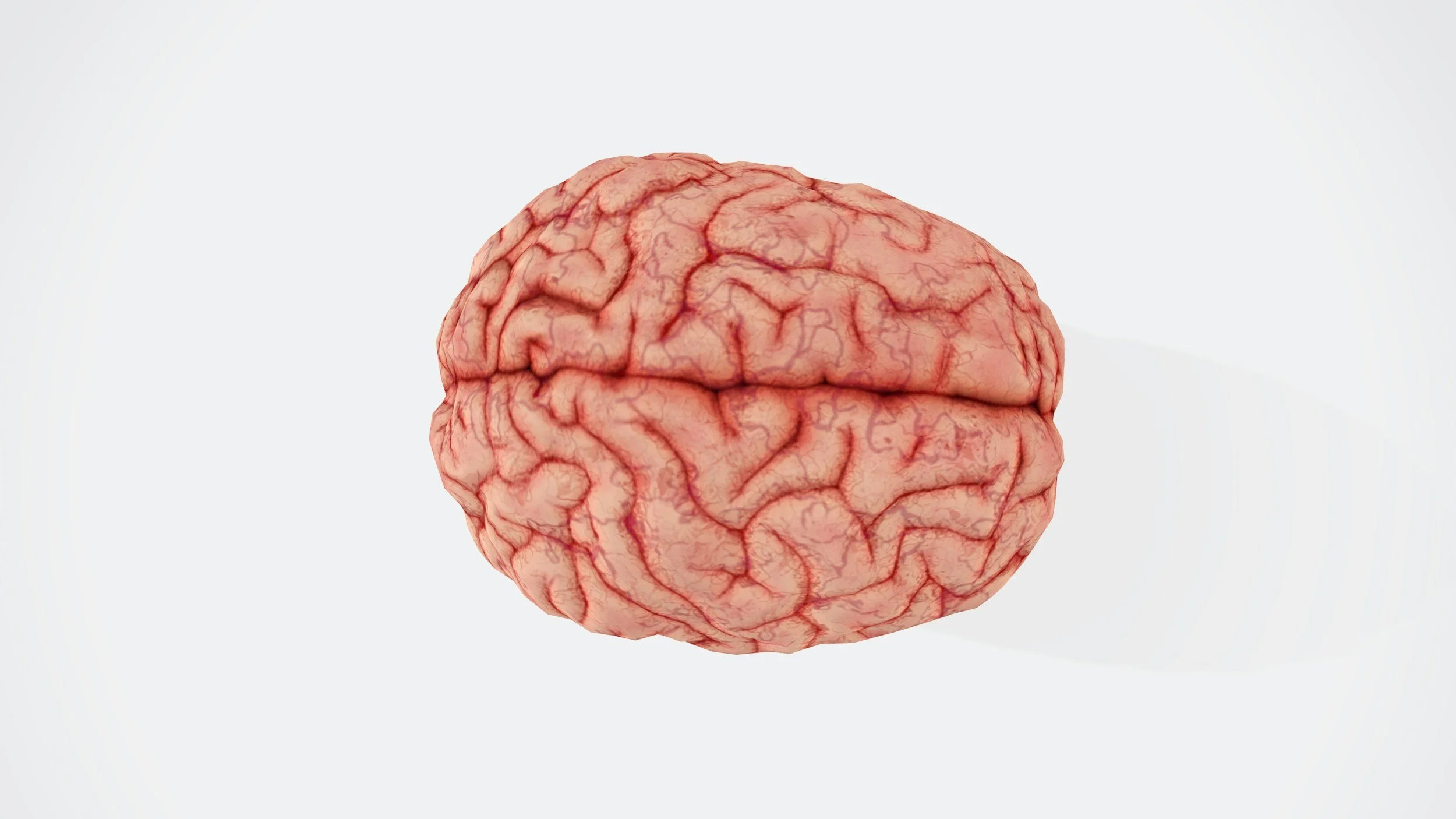
Our Accelerated TMS protocol will allow you to receive the full benefits of TMS in a condensed timeframe.
1. Olsson, S. E., Singh, H., Kerr, M. S., Podlesh, Z., Chung, J., & Tjan, A. (2023a). The role of transcranial magnetic stimulation in treating depression after traumatic brain injury. Brain Stimulation, 16(2), 456–457. https://doi.org/10.1016/j.brs.2023.02.005
2. Cole, E. J., Stimpson, K. H., Bentzley, B. S., Gulser, M., Cherian, K., Tischler, C., Nejad, R., Pankow, H., Choi, E., Aaron, H., Espil, F. M., Pannu, J., Xiao, X., Duvio, D., Solvason, H. B., Hawkins, J., Guerra, A., Jo, B., Raj, K. S., … Williams, N. R. (2020). Stanford accelerated intelligent neuromodulation therapy for treatment-resistant depression. American Journal of Psychiatry, 177(8), 716–726. https://doi.org/10.1176/appi.ajp.2019.19070720
3. Mollica, A., Greben, R., Oriuwa, C., Siddiqi, S. H., & Burke, M. J. (2022). Neuromodulation treatments for mild traumatic brain injury and post-concussive symptoms. Current Neurology and Neuroscience Reports, 22(3), 171–181. https://doi.org/10.1007/s11910-022-01183-w
4. Aleid, A. M., AlShammri, M. S., Aldanyowi, S. N., Alessa, A. A., Alhussain, A. A., & Al Mutair, A. (2025). Use of repetitive transcranial magnetic stimulation in traumatic brain injury: A systematic review and meta‑analysis of randomized controlled trials. Surgical Neurology International, 16(175). https://doi.org/10.25259/SNI_926_2024
5. Liu, G., Xue, B., Guan, Y., & Luo, X. (2024). Effects of repetitive transcranial magnetic stimulation combined with cognitive training on cognitive function in patients with Alzheimer’s disease: A systematic review and meta-analysis. Frontiers in Aging Neuroscience, 15, Article 1254523. https://doi.org/10.3389/fnagi.2023.1254523
6. Song, P., Li, S., Shao, Y., Zhu, S., Wang, Y., Xu, P., & Lin, H. (2025). High frequency-RTMS of the left DLPFC relieve headaches and enhance frontal-temporal connectivity in migraine. Clinical Neurophysiology, 173, 166–172. https://doi.org/10.1016/j.clinph.2025.03.019
7. Li, X., Liu, Z., Hu, Y. et al. Analgesic effects of high-frequency rTMS on pain anticipation and perception. Commun Biol 7, 1573 (2024). https://doi.org/10.1038/s42003-024-07129-x
8. Saltychev M, Juhola J. Effectiveness of High-Frequency Repetitive Transcranial Magnetic Stimulation in Migraine: A Systematic Review and Meta-analysis. American Journal of Physical Medicine & Rehabilitation. 2022 Nov;101(11):1001-1006. DOI: 10.1097/phm.0000000000001953
9. Pan J, Mi T-M, Ma J-H, Sun H and Chan P (2022) High-Frequency Repetitive Transcranial Magnetic Stimulation Over the Left Dorsolateral Prefrontal Cortex Shortly Alleviates Fatigue in Patients With Multiple System Atrophy: A Randomized Controlled Trial. Front. Neurol. 12:755352. doi: 10.3389/fneur.2021.755352